 Web appPrototype
 SteamAmbition
 Google PlayAmbition
Astonia
In Astonia, I work on what makes a boss recognisable, how an attack plays and the world that grows around it.
Explore the game- Game design
- Art direction
- World building
- JavaScript
- Animation
- Canvas 2D
- Tool development
How does a character design become a boss you can read during play?
- My choice
- I work from silhouette and posture to viewing directions and attacks. The character needs to remain recognisable among sprites and effects.
- What you see here
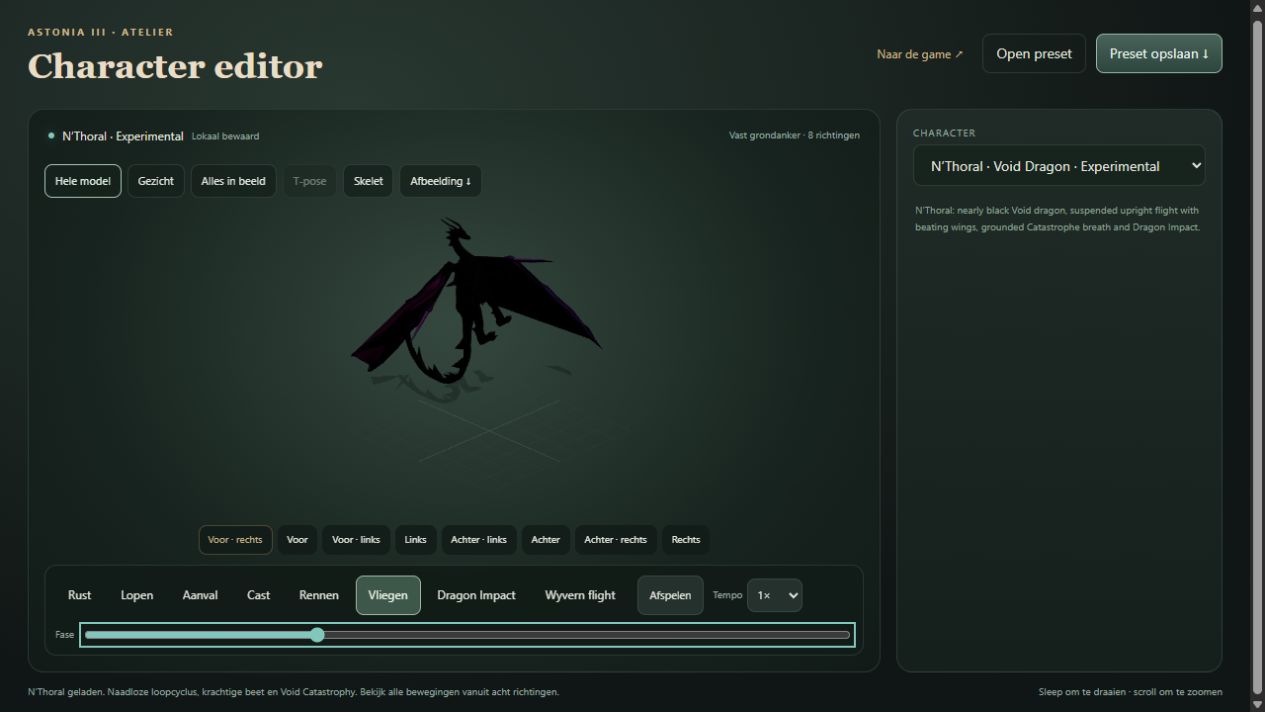
- Model studies, the character workshop and an in-game test where I examine attack, timing and impact.
From Cameron
to the Confluence.
My story world grows with its characters. Follow the chapters, from the first recipes to the new gods.
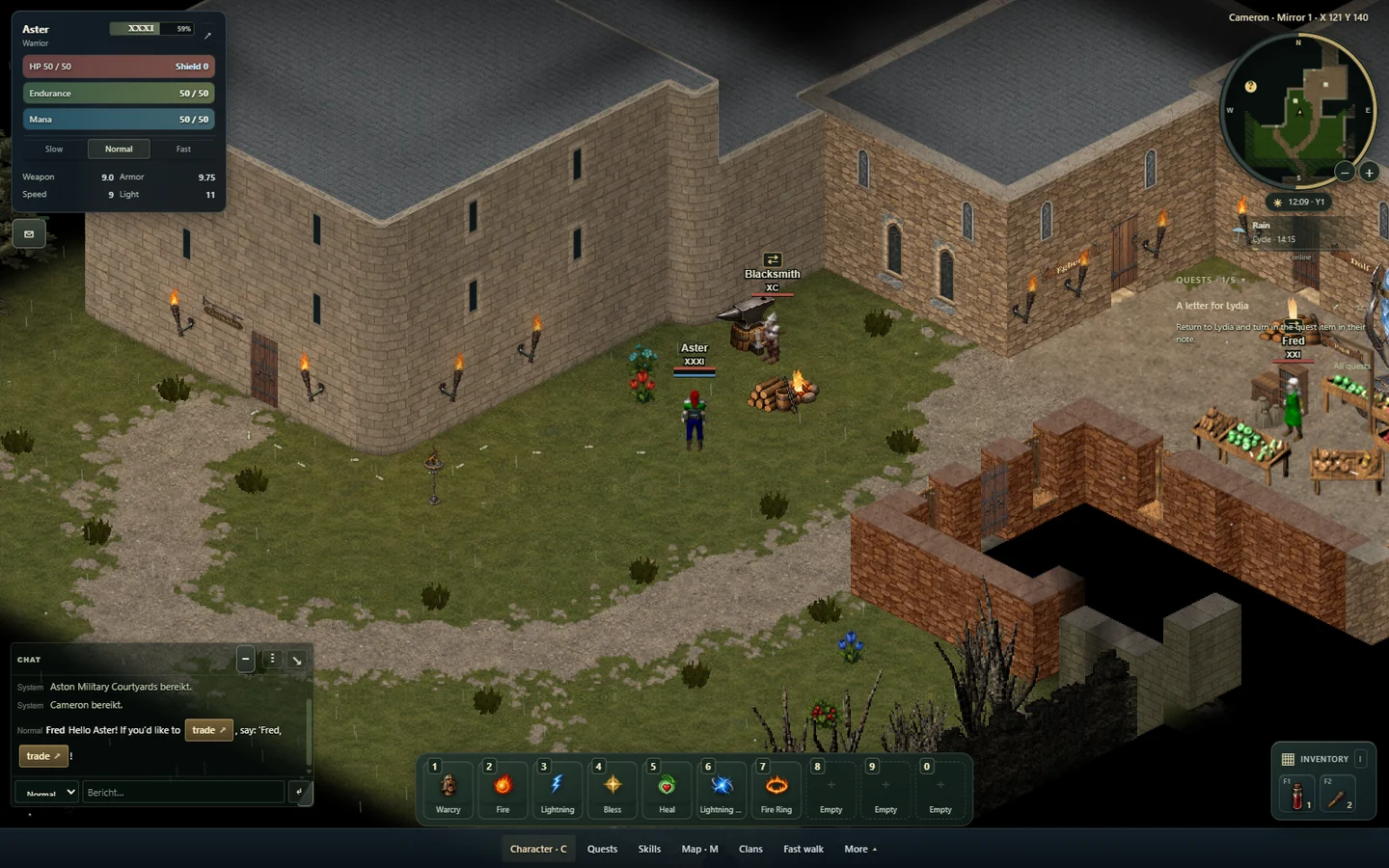
Chapter 1 / Getting to know the world
Cameron Tales
The first steps in Cameron. You learn to fight, explore the surroundings and discover how flowers become elixirs. Small choices make the game world familiar.
Brew your first elixir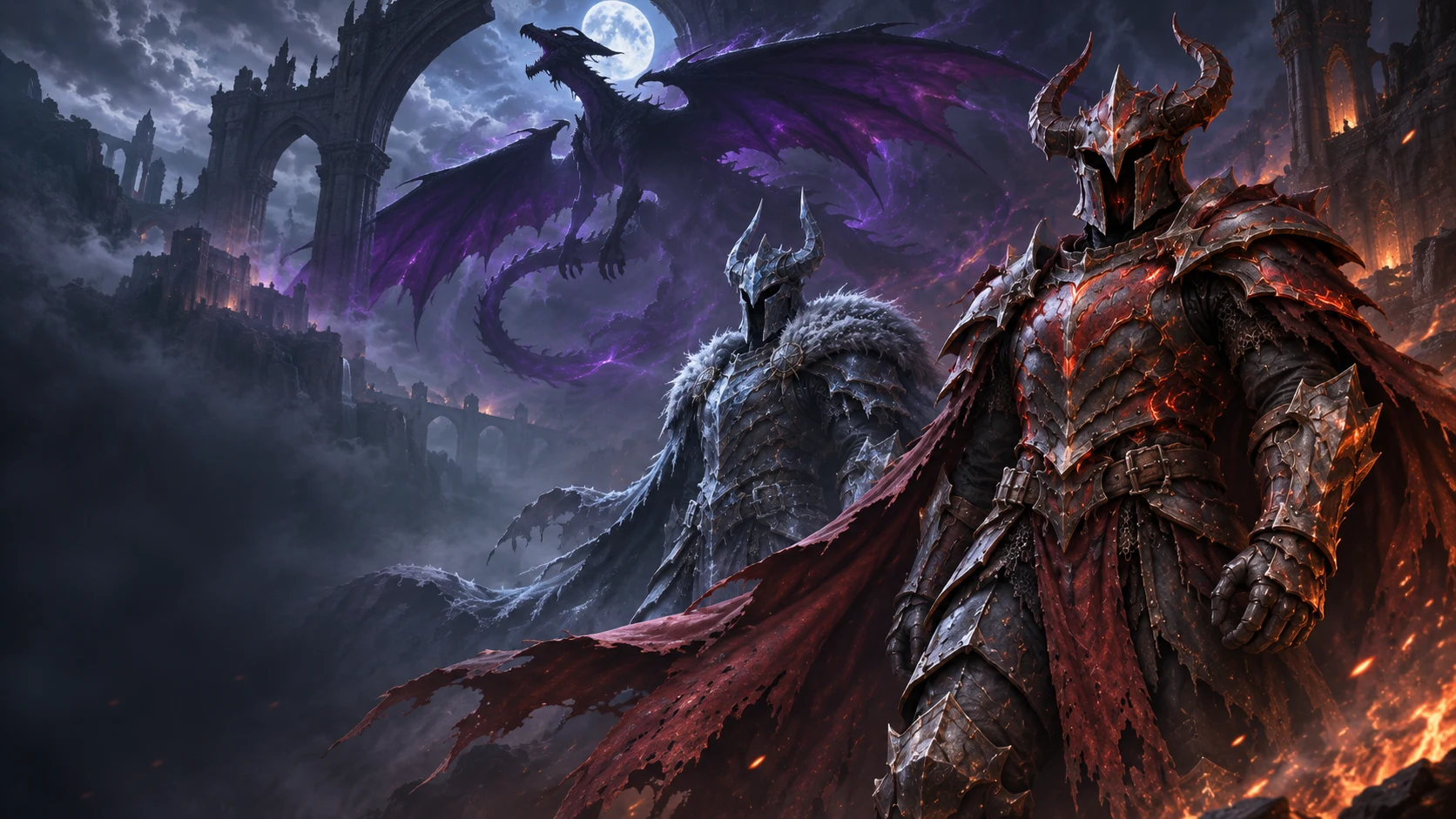
Chapter 2 / The first demons
The Demons Awaken
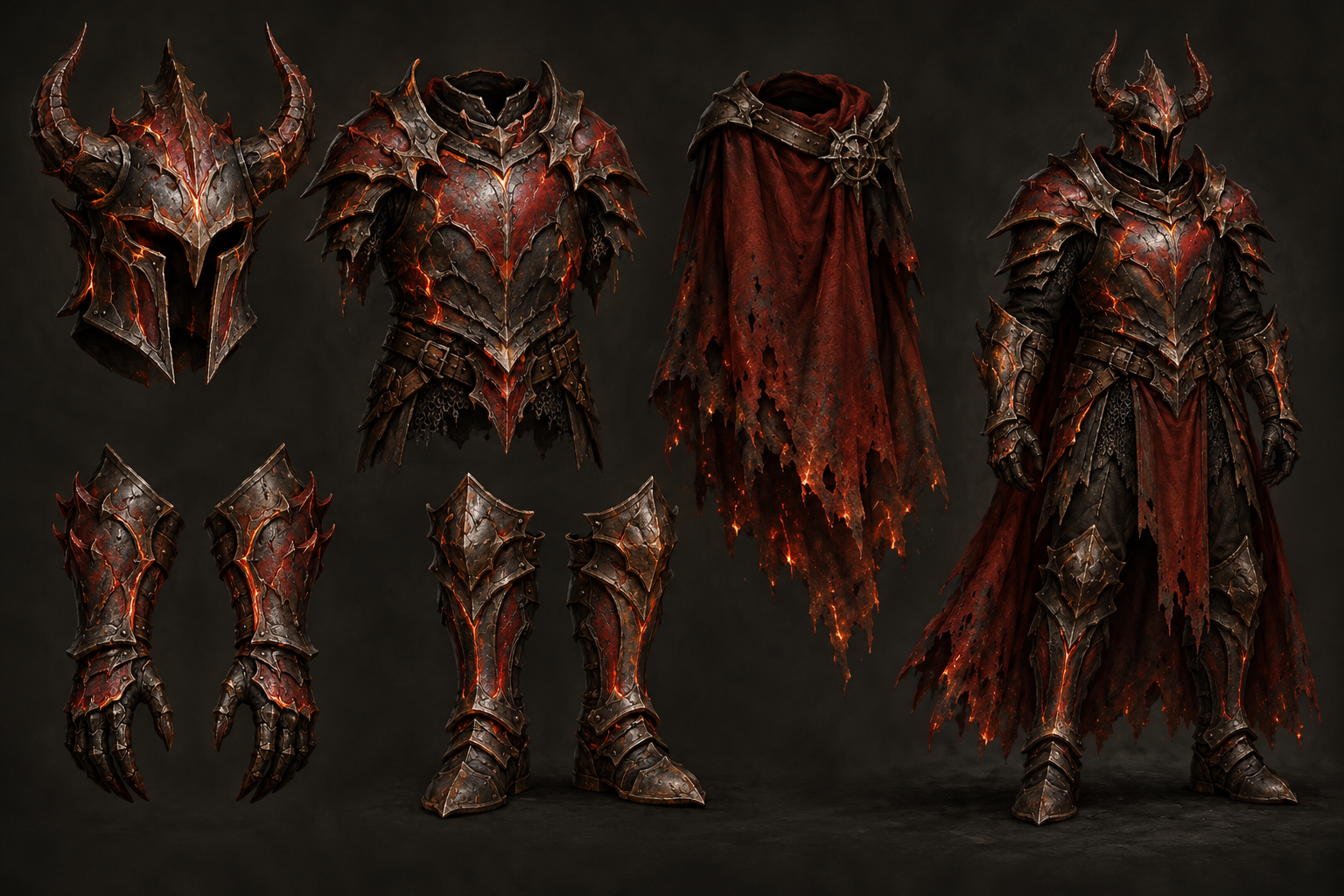
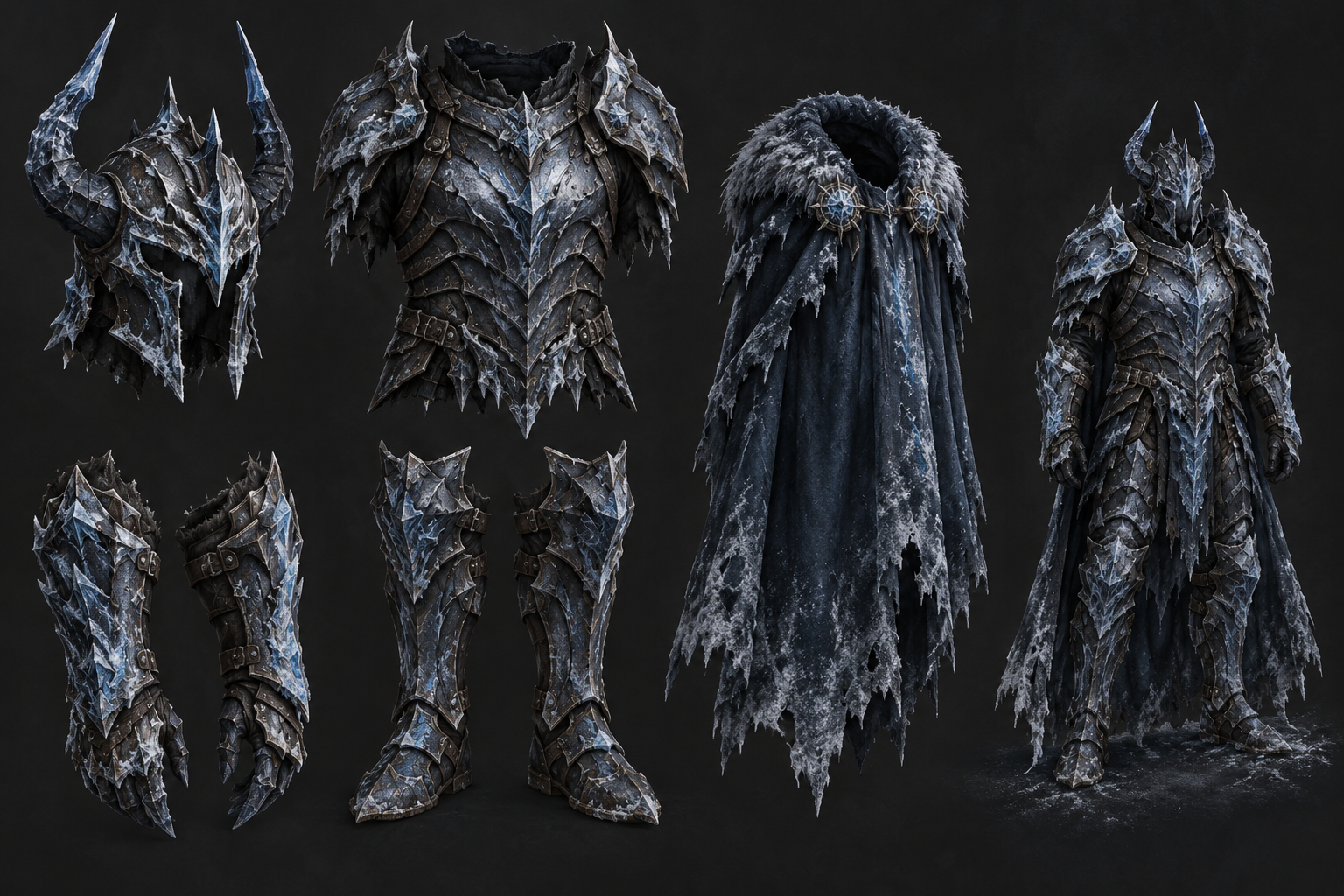
Fire and ice disrupt the familiar routes. These first demons are a stepping stone towards greater powers. Their elements return in attacks, silhouettes and Demon armour.
View the art and armour

Fire & Ice / equipment
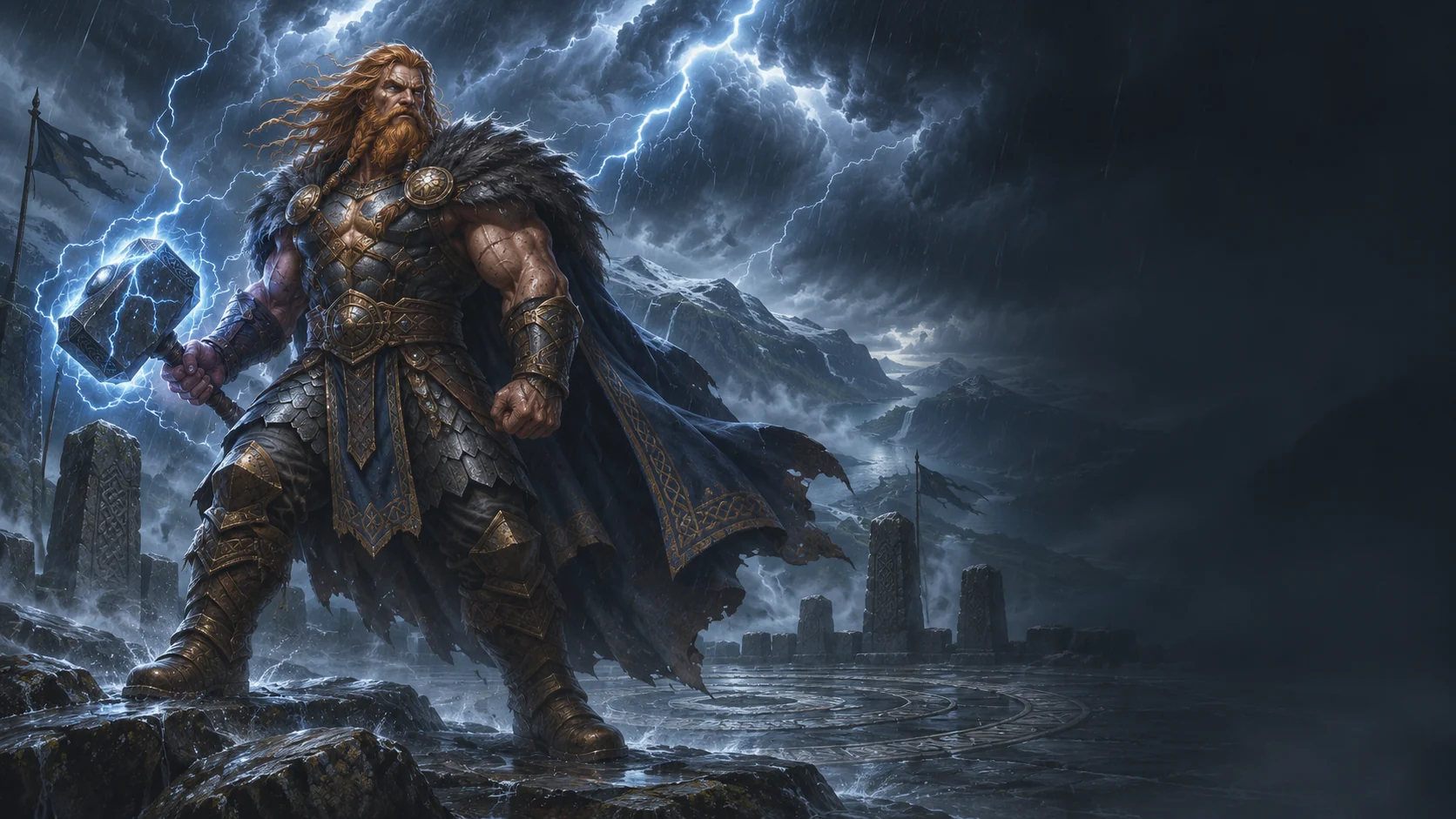
Chapter 3 / Thor / thunder and ancient powers
The Old Gods
The world holds powers older than the awakened demons. Thor gives that scale a face: heavy armour, Mjölnir and thunder. A divine silhouette that must remain recognisable as a small game character too.
From model to game sprite
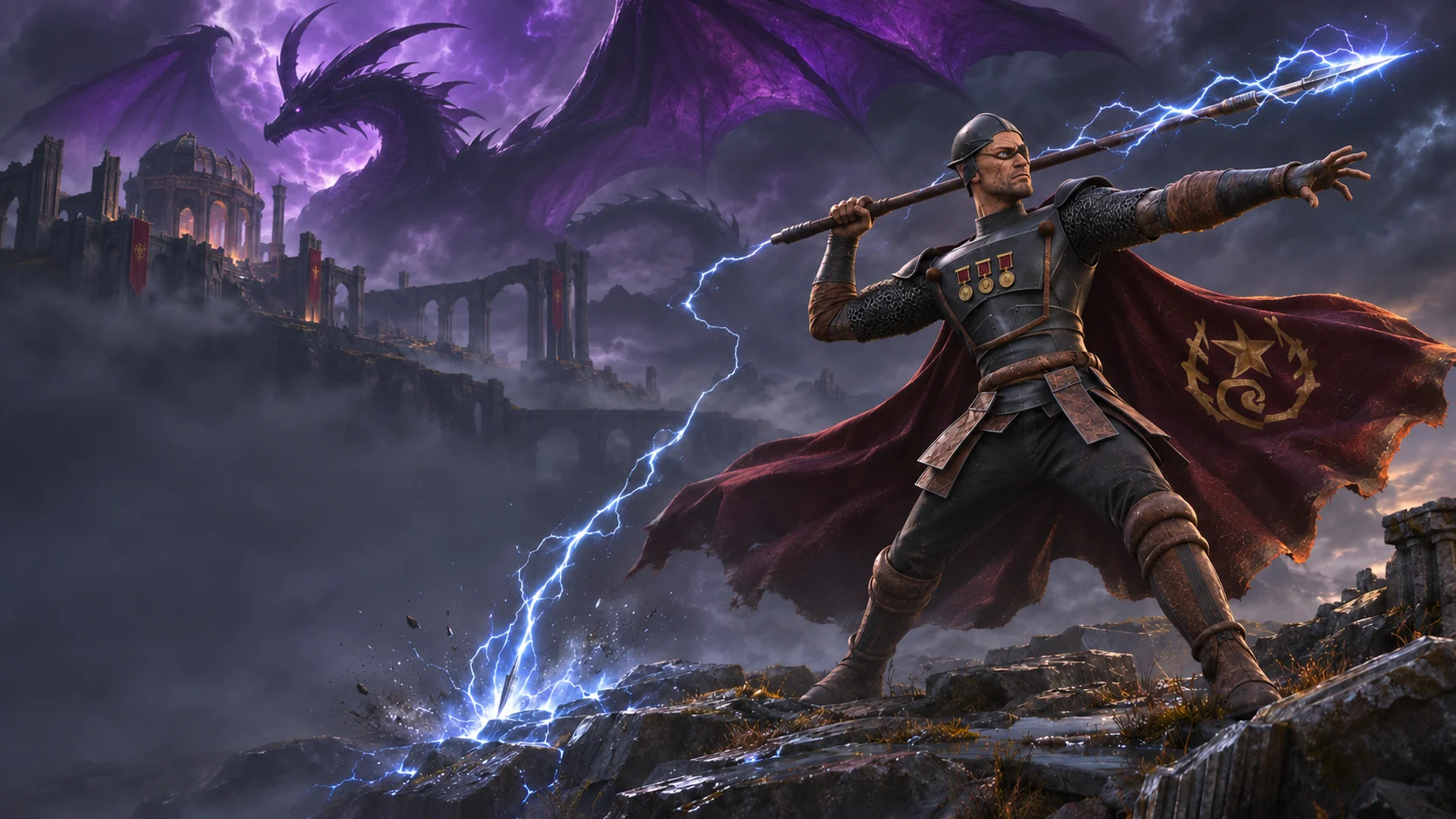
Chapter 4 / Marshal v. Drauger / N’Thoral
The Corrupted High Order
Corruption reaches the military order. Drauger's medals, rank and cape tell you who he is; his spear signals a lightning strike. Behind him, the threat of N’Thoral returns.
View the model studies
Chapter 5 / Knight & dragon form
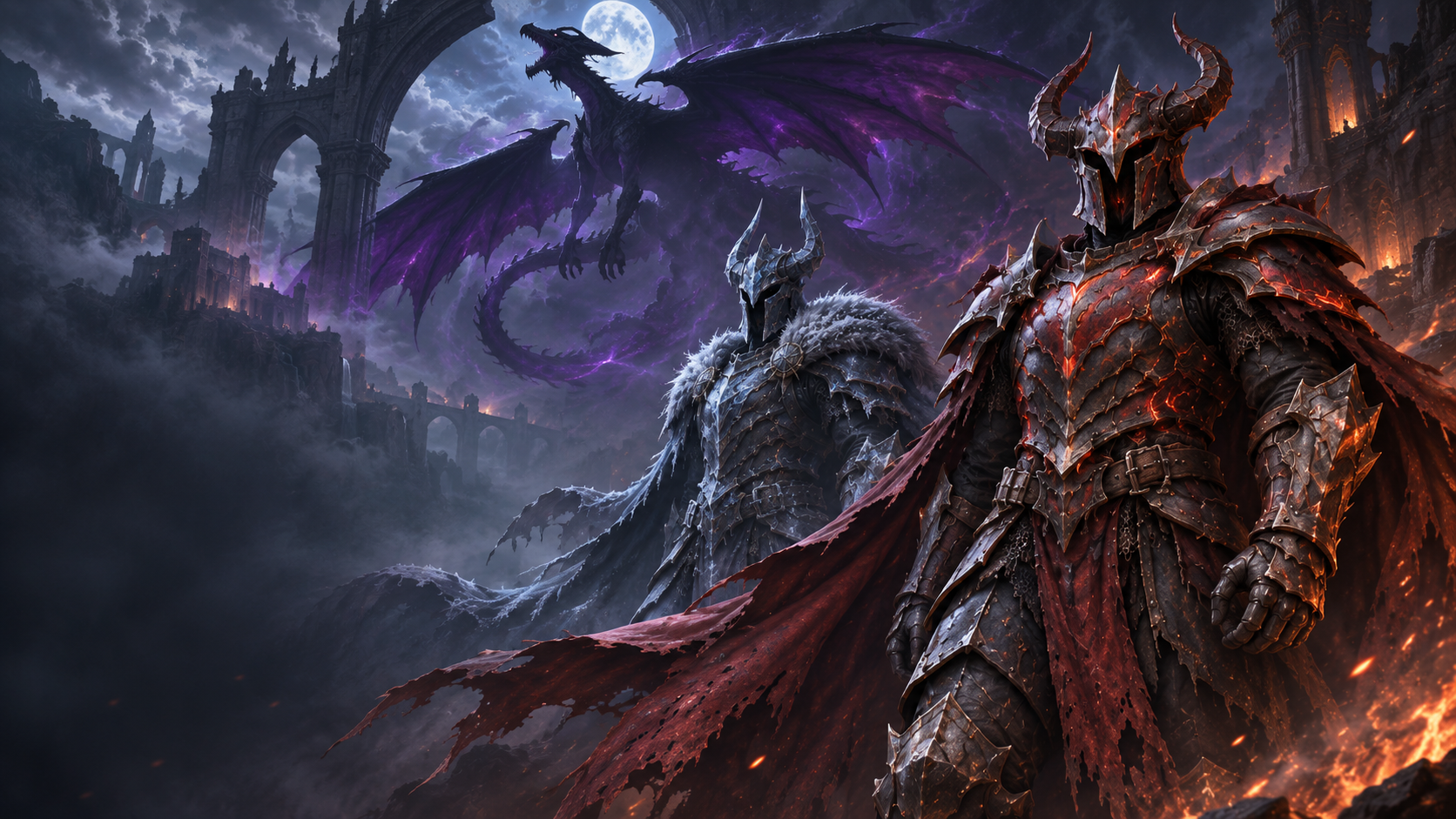
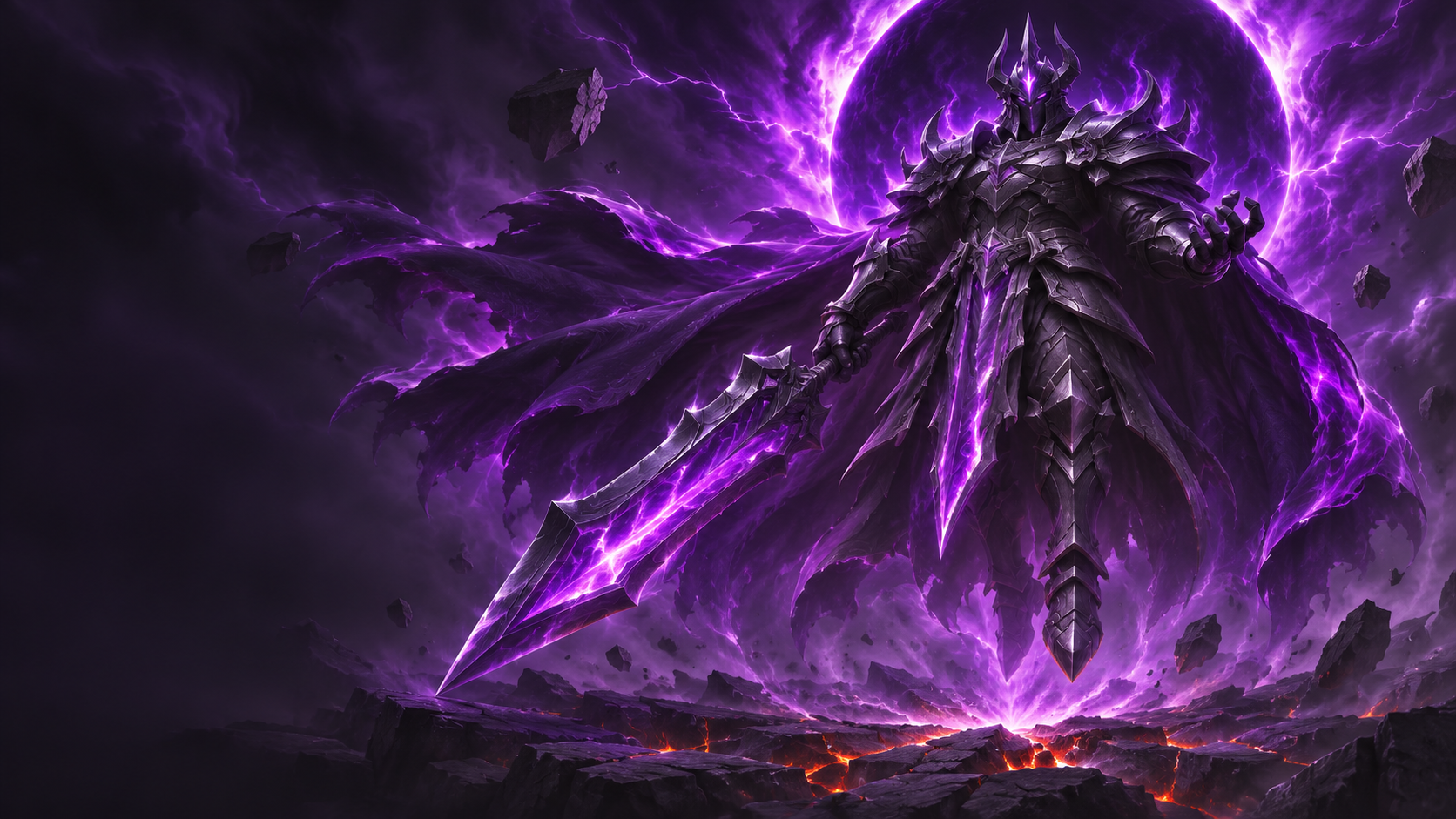
Nocturnis, Guardian of the Void
Nocturnis waits at the edge of the Void. The heavy knight form and the dragon form share the same dark presence. I explore how those forms become readable in movement and combat.
View the boss battle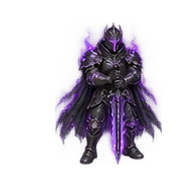
Chapter 6 / The five Pentagram Lords
Rise of the New Gods
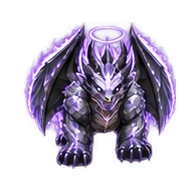
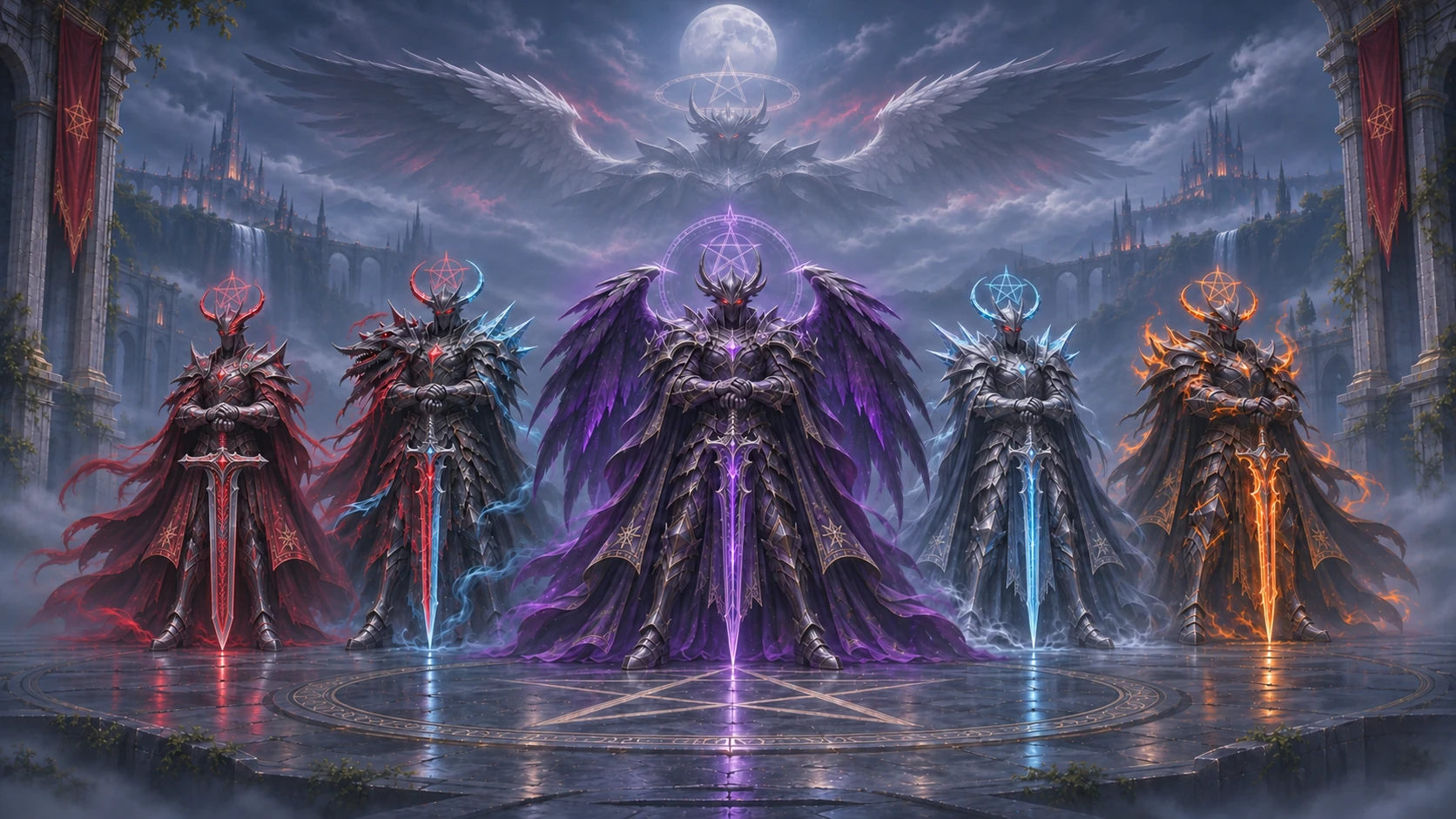
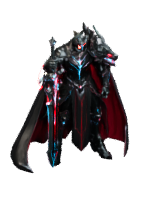
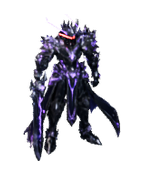
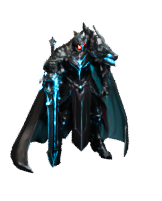
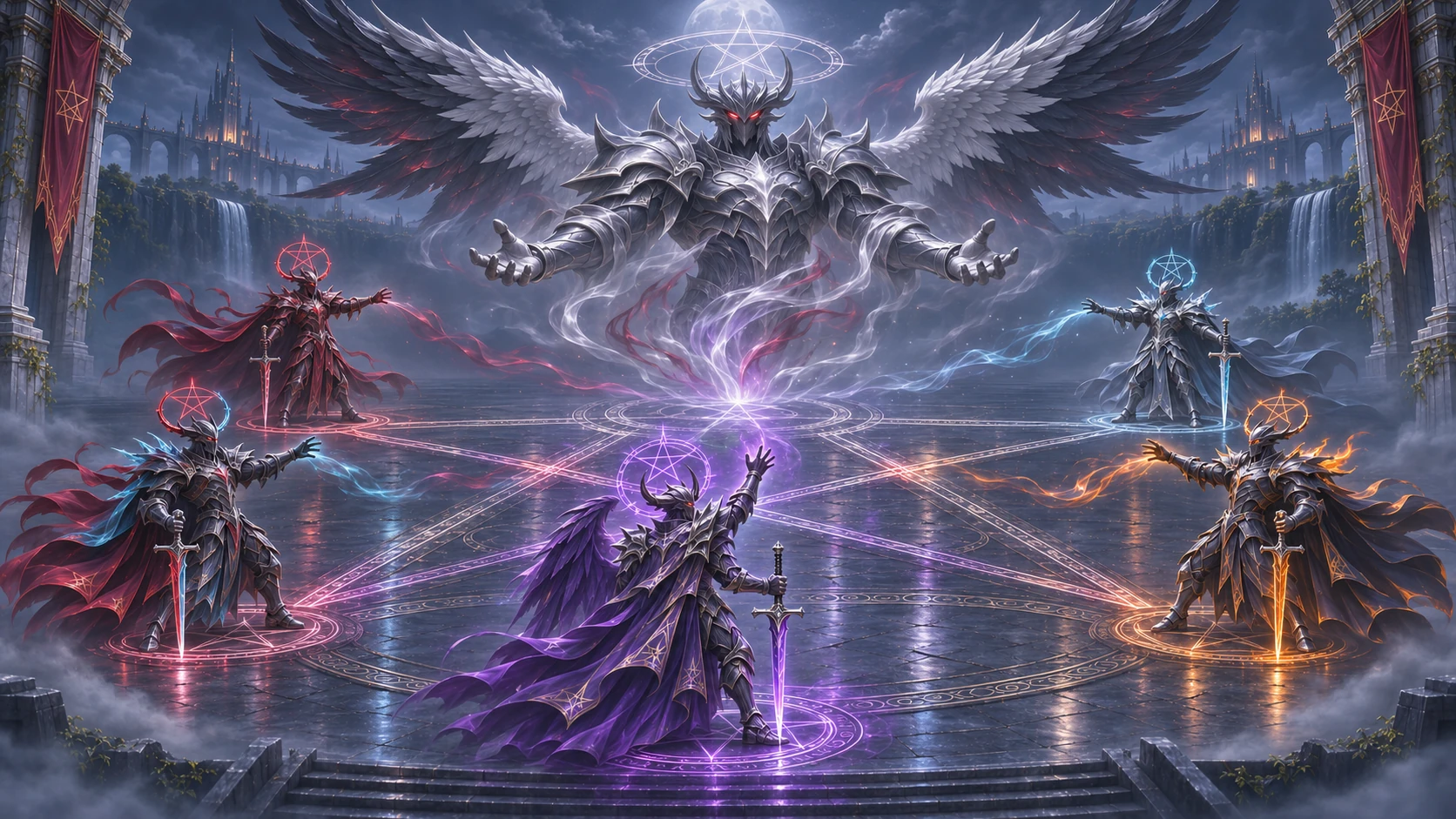
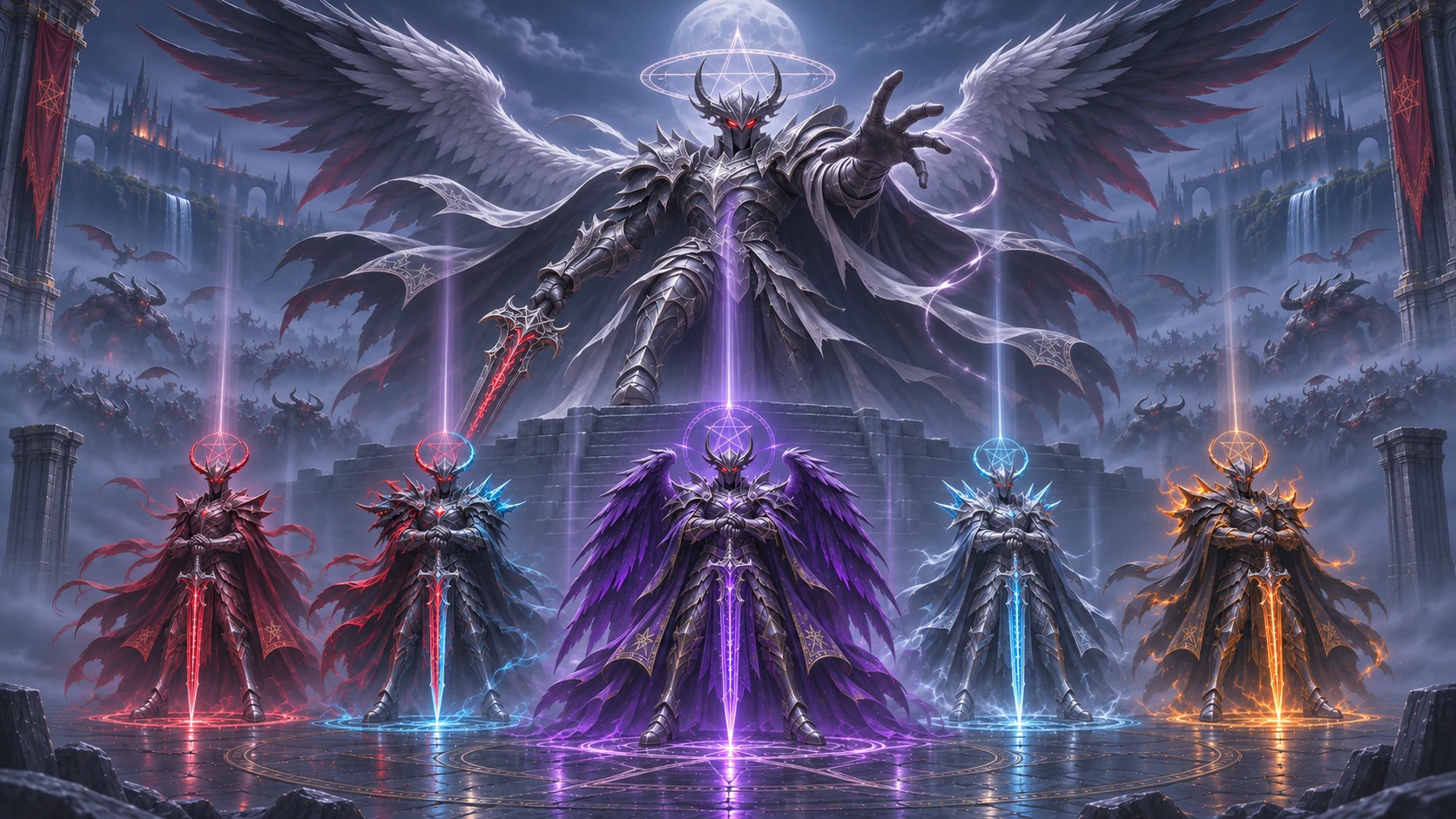
Enktar, Nemesis, Ostimo, Acifal and Burnak form the new order. Five elements, five distinct identities. Ostimo takes the centre; each Lord has its own splash and an animated game character.
Meet the five Lords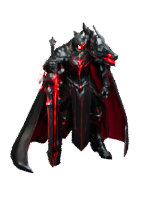
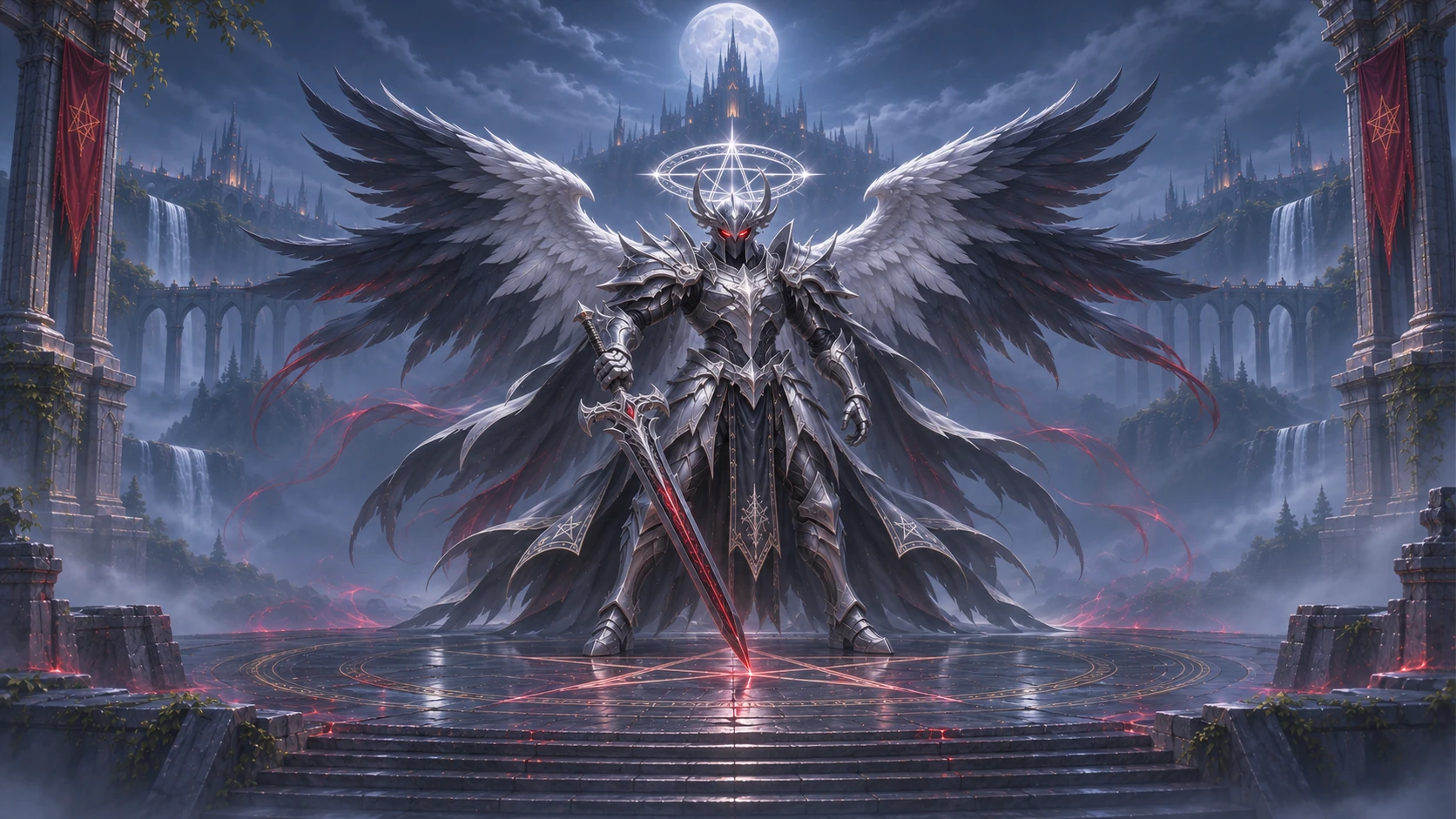
Chapter 6.5 / Omnis-Rath, The World’s Catastrophe
Confluence of the Bound
Five powers are bound to the same ritual. From their convergence rises Omnis-Rath: black and silver, enormous wings and a narrow red gaze. The Confluence marks the next turning point in my story world.
Discover the powers behind the ritual
Chapter 7 / The next chapter
Stay tuned!
The world is still in development. New characters, locations and game ideas will find their place here as I develop them further.
See what I am buildingStory concept / chapters 1–7
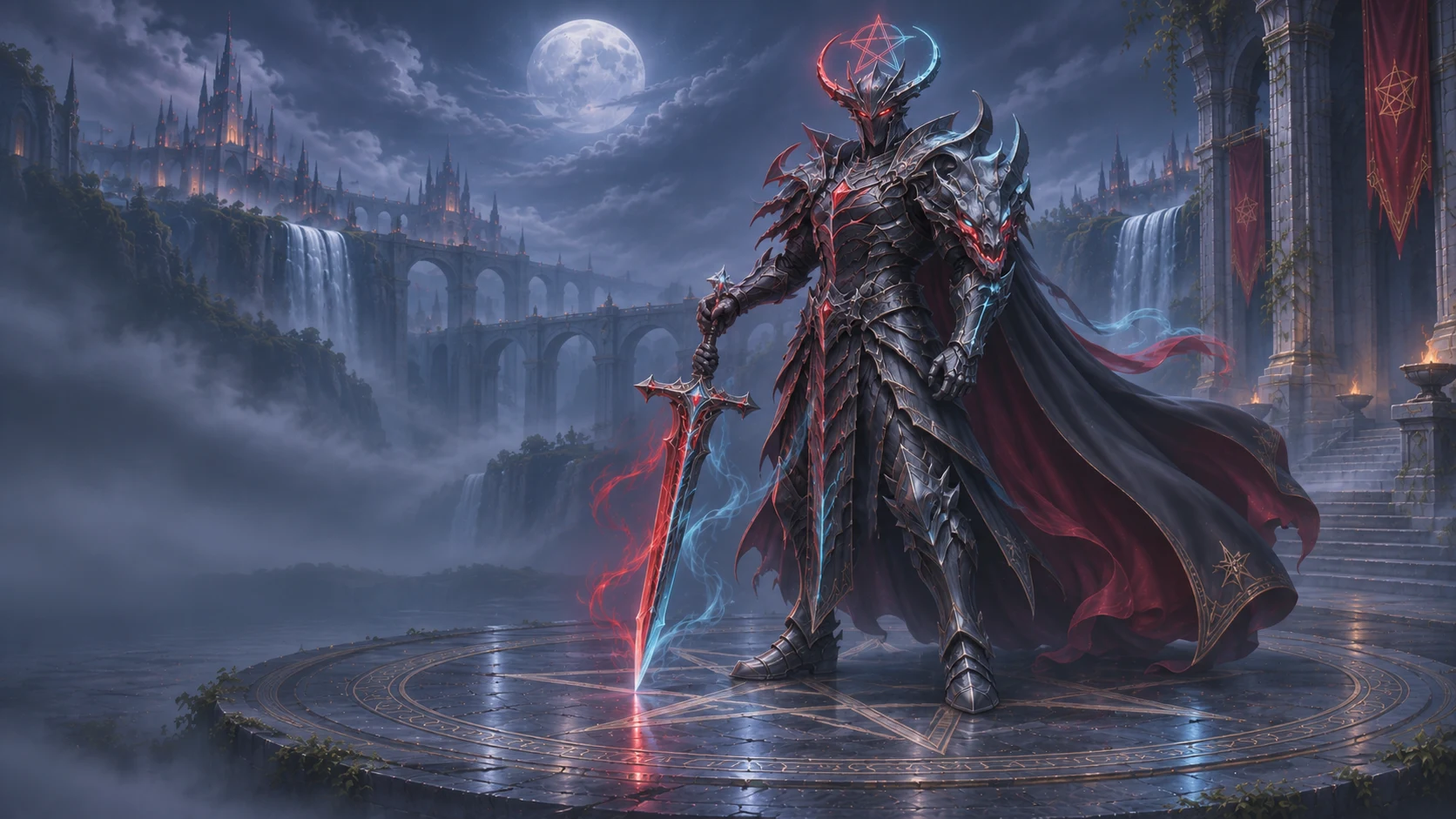
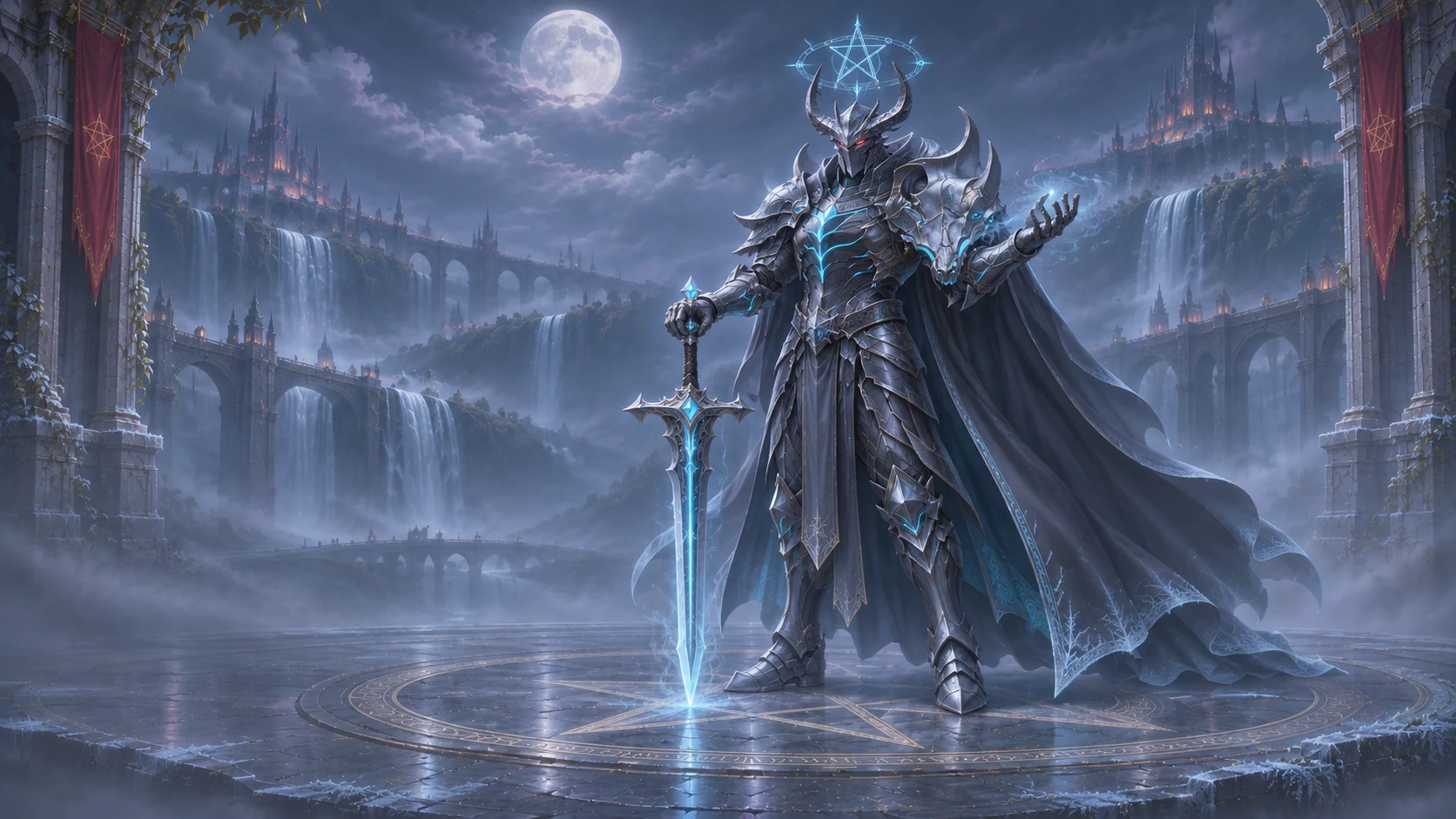
The splashes illustrate my story direction. The moving characters use existing game poses.
The pentagram.
Five distinct powers.
One shared order, five different powers. Each splash is paired with the actual animated game character.
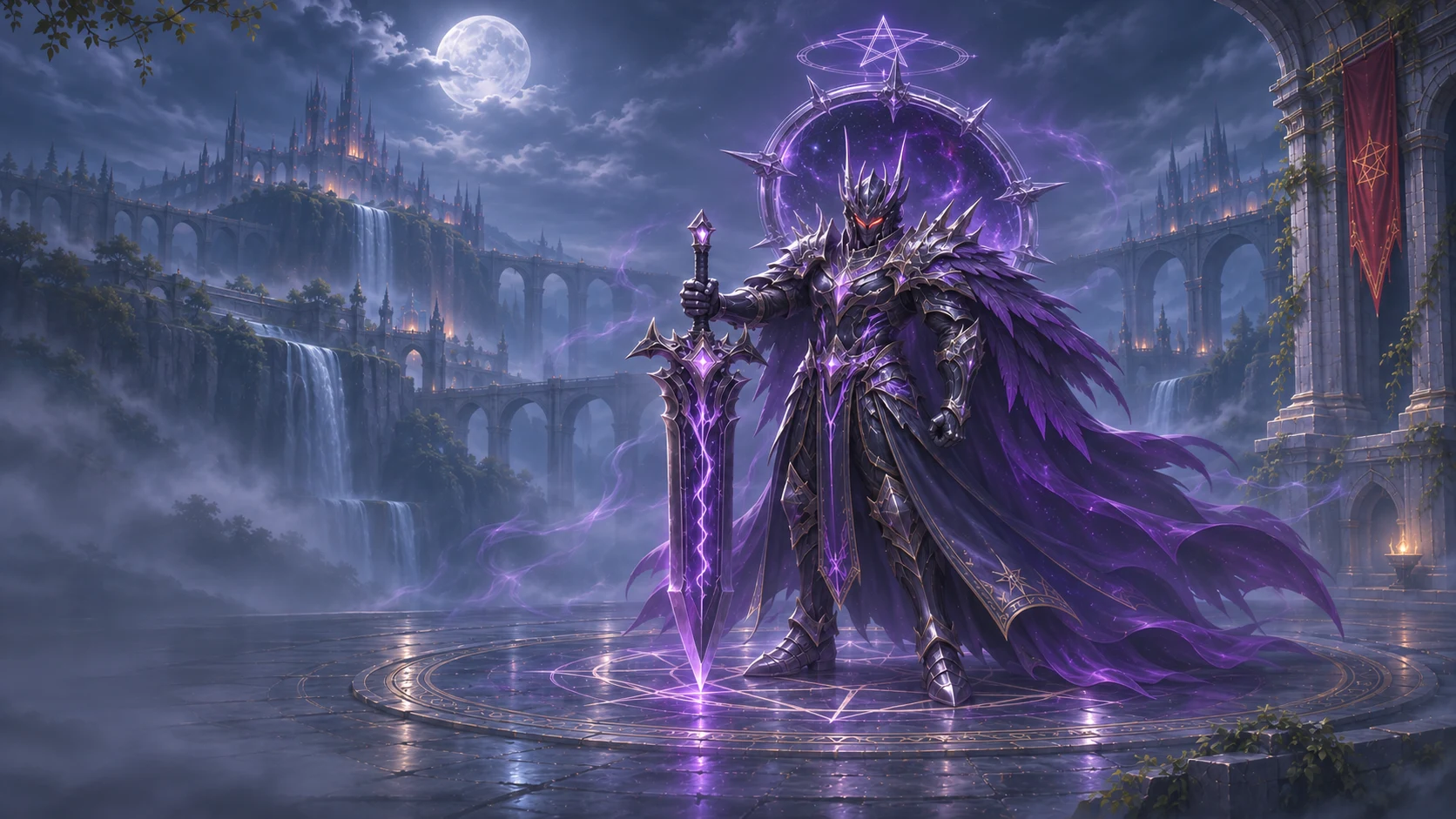
Ostimo
Demonlord of the Void
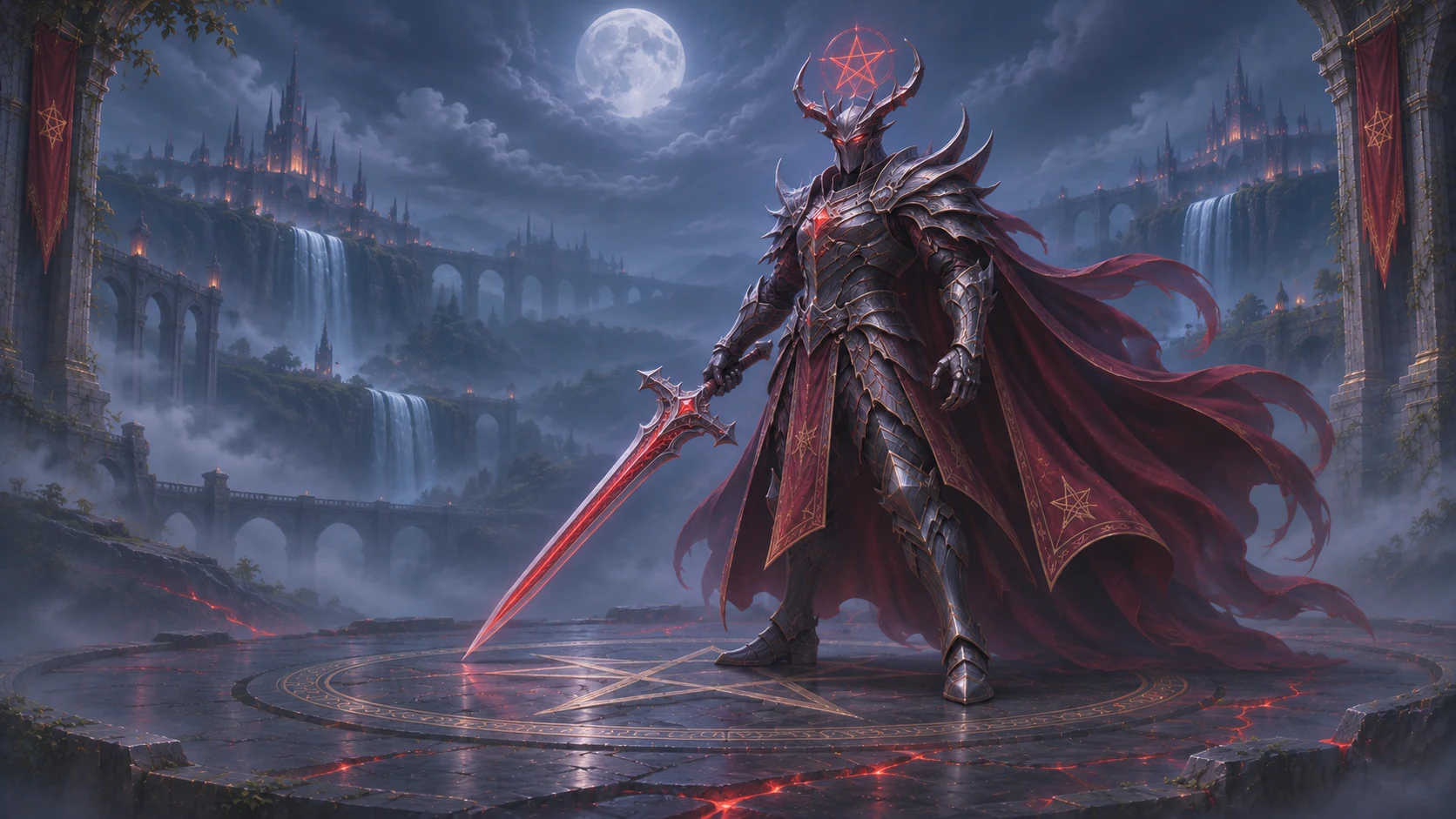
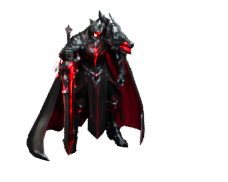
Enktar
Demonlord of the Crimson Earth
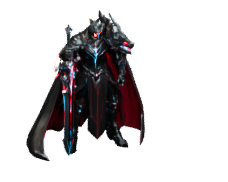
Nemesis
Demonlord of Arctic Hellfire
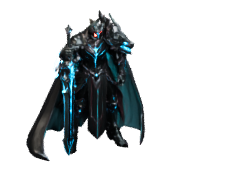
Acifal
Demonlord of the Frozen Abyss
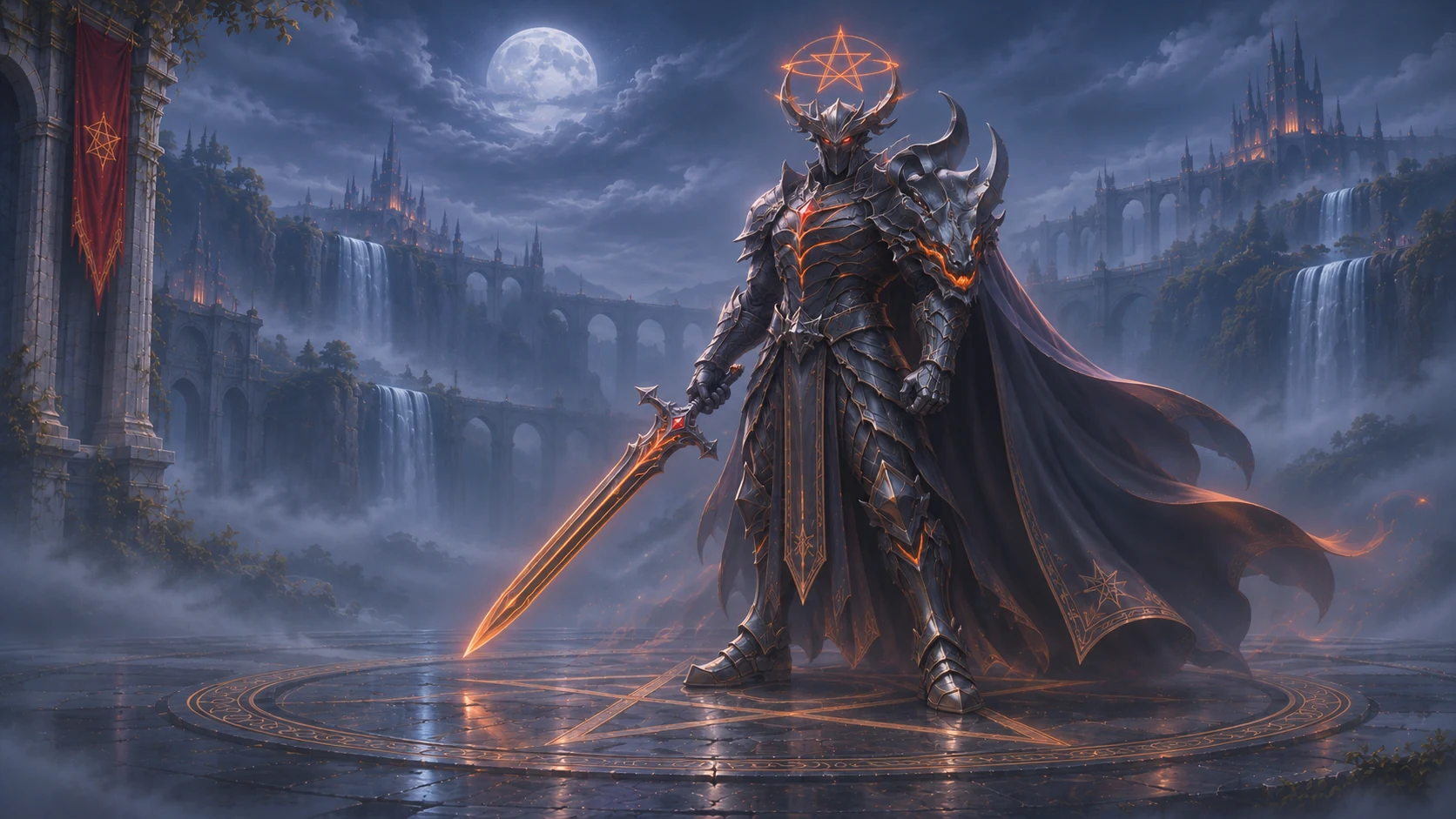
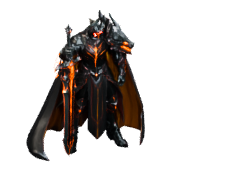
Burnak
Demonlord of Inferno
Campaign illustrations beside existing game poses. From silhouette and element to movement on the battlefield.
Military hierarchy
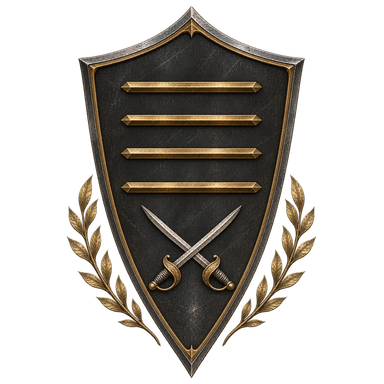
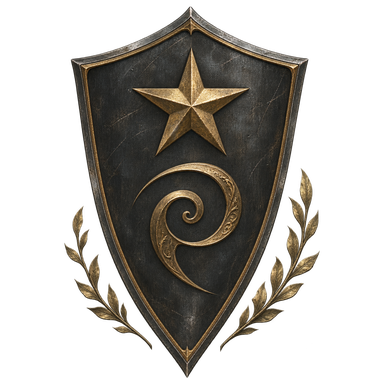
A character takes shape.
I adapt models, design silhouettes and explore poses. Then I examine what still works in the game.
3D & adaptation
From a source model to a character for my world.
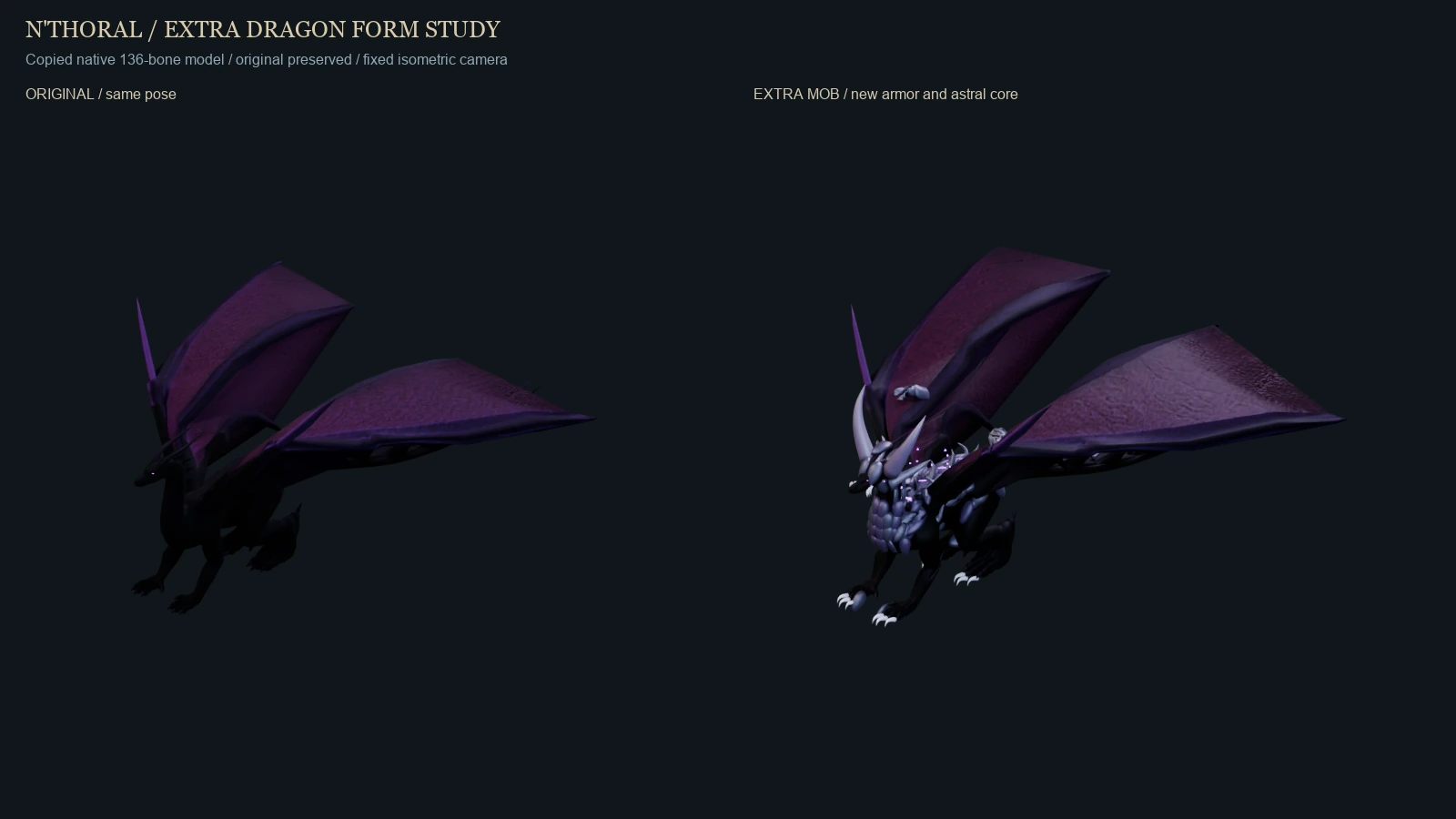
N’Thoral
A new dragon study beside its source: additional scales, a crown and more mass around the neck and chest.
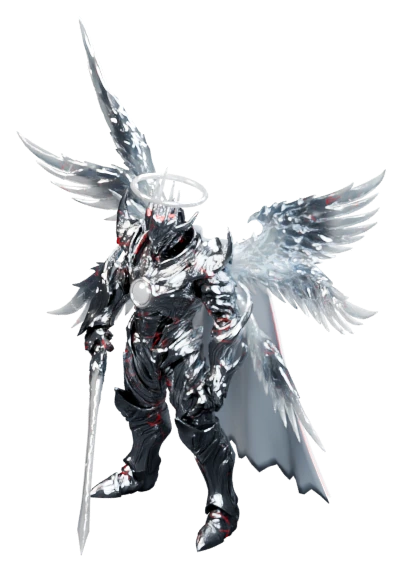
Aeterial
The wing silhouette, stance and sword movement give this knight its own presence.
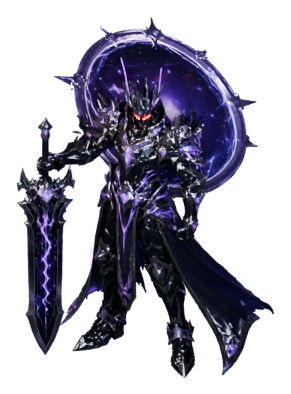
Ostimo
The body and halo use separate layers, allowing the visual identity to move with the attack.
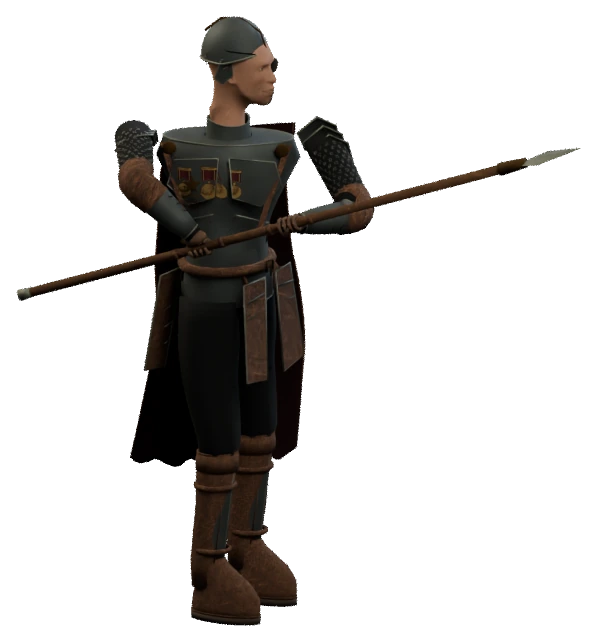
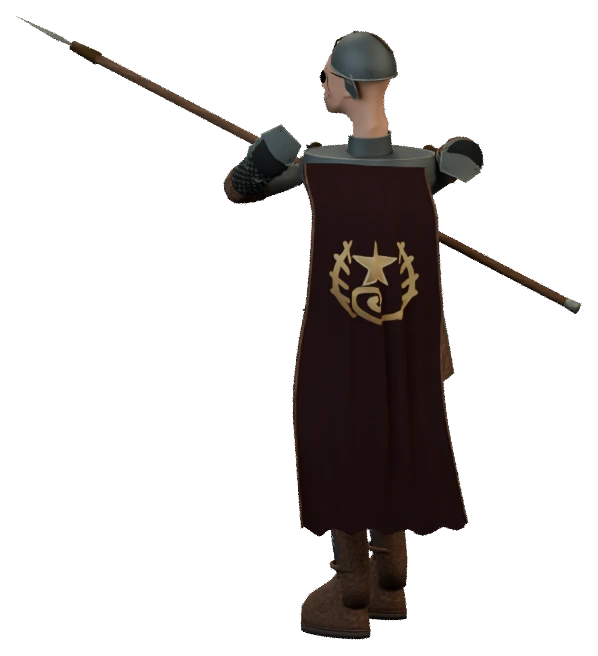
Marshal v. Drauger
The eye patch, chest medals and long cape make the military rank visible in the model.
2D & poses
The model also needs to work on the isometric battlefield.
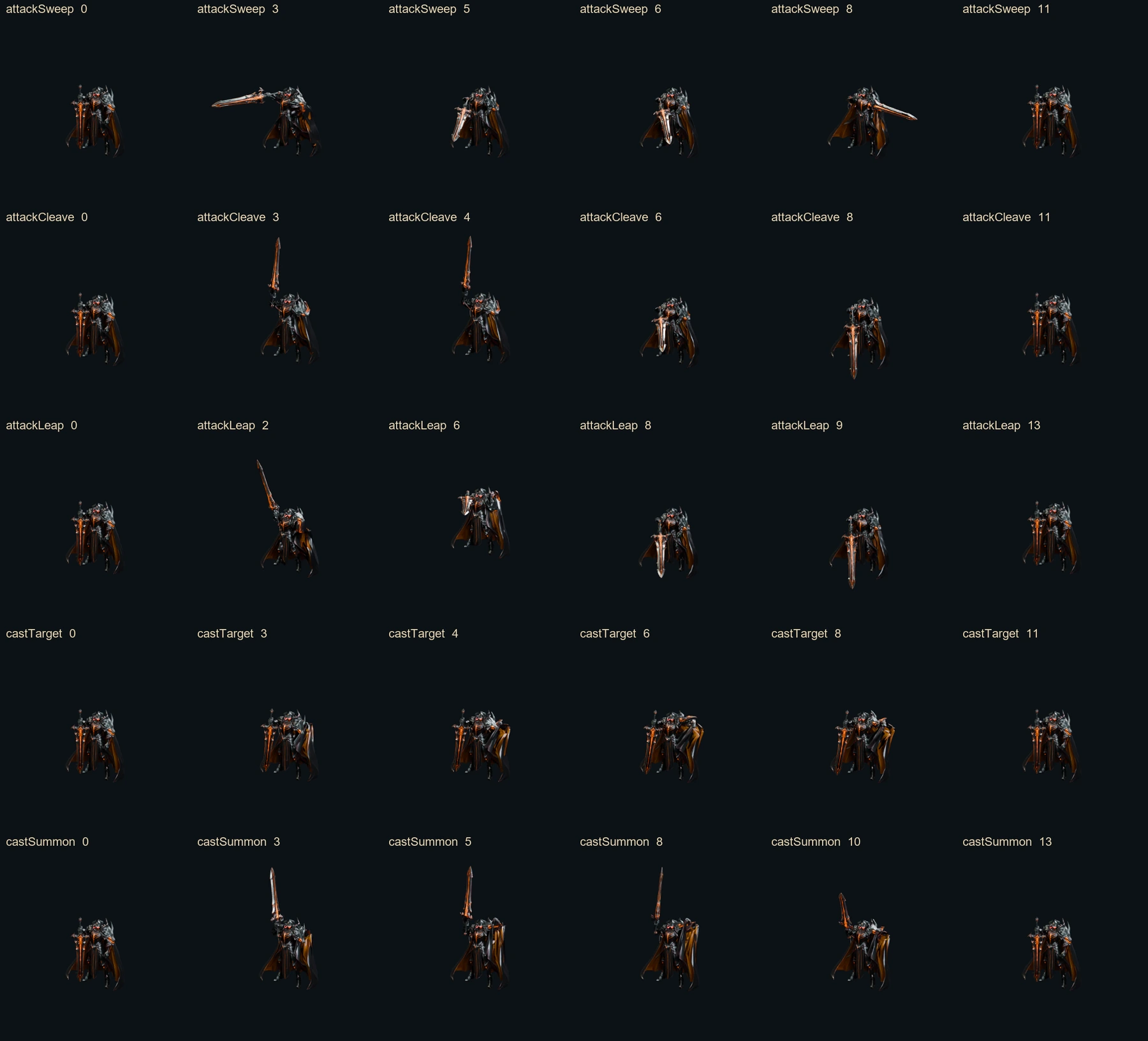
From pose to action
Idle poses, attacks and casts side by side. I assess movement as a sequence of readable game poses.

Eight viewing directions
The same dragon viewed all around: wings, head and silhouette need to remain recognizable from every direction.
Existing 3D renders and pose layouts from my development work. The knight studies use supplied templates; the dragon base is by 3DHaupt (new tab) ↗. The timeline splashes are separate concept illustrations.
Nocturnis in combat.
Here I test how Nocturnis attacks. The player needs to recognise the threat, choose a position and anticipate the impact.
Your recipe.
Your elixir.
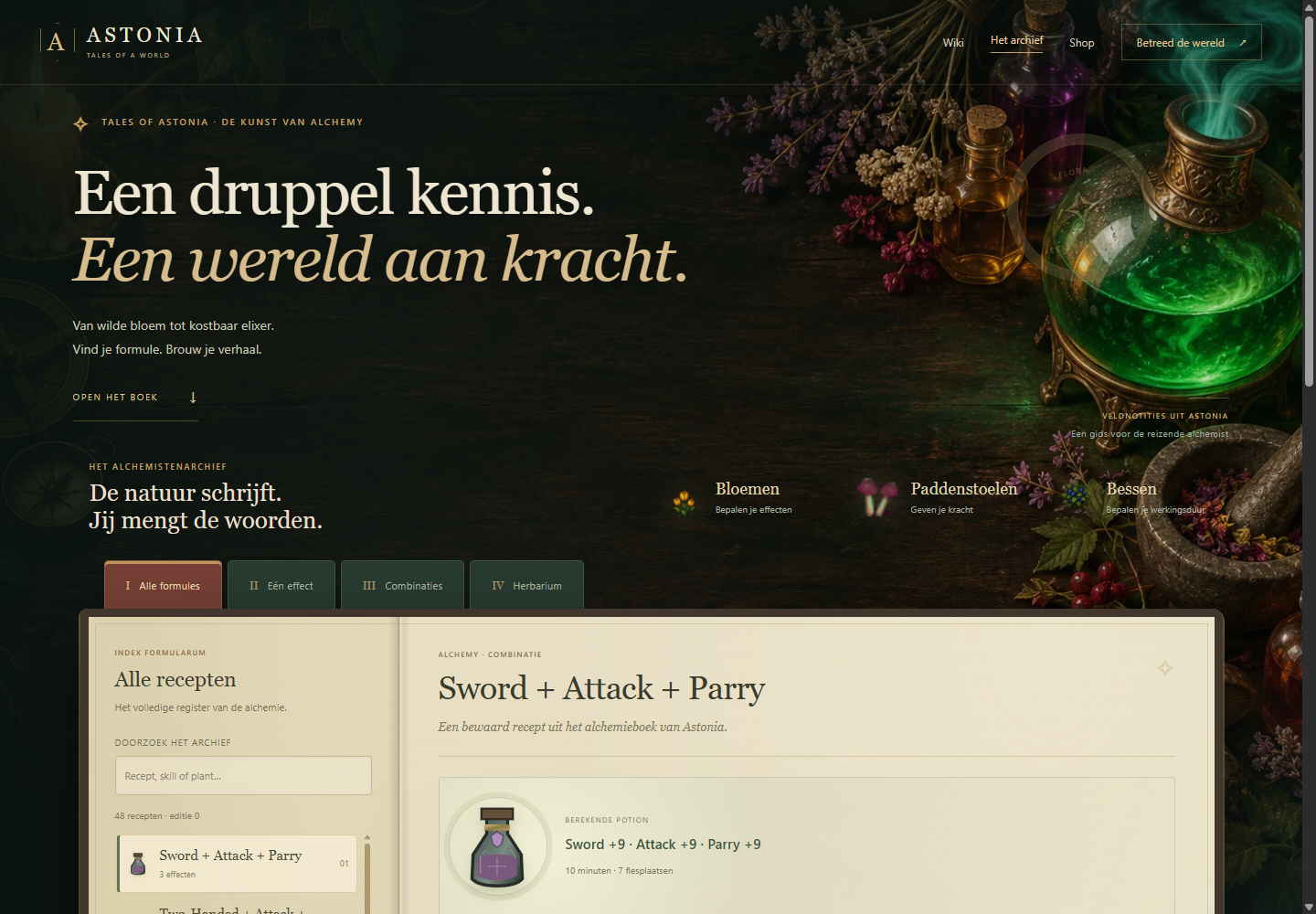
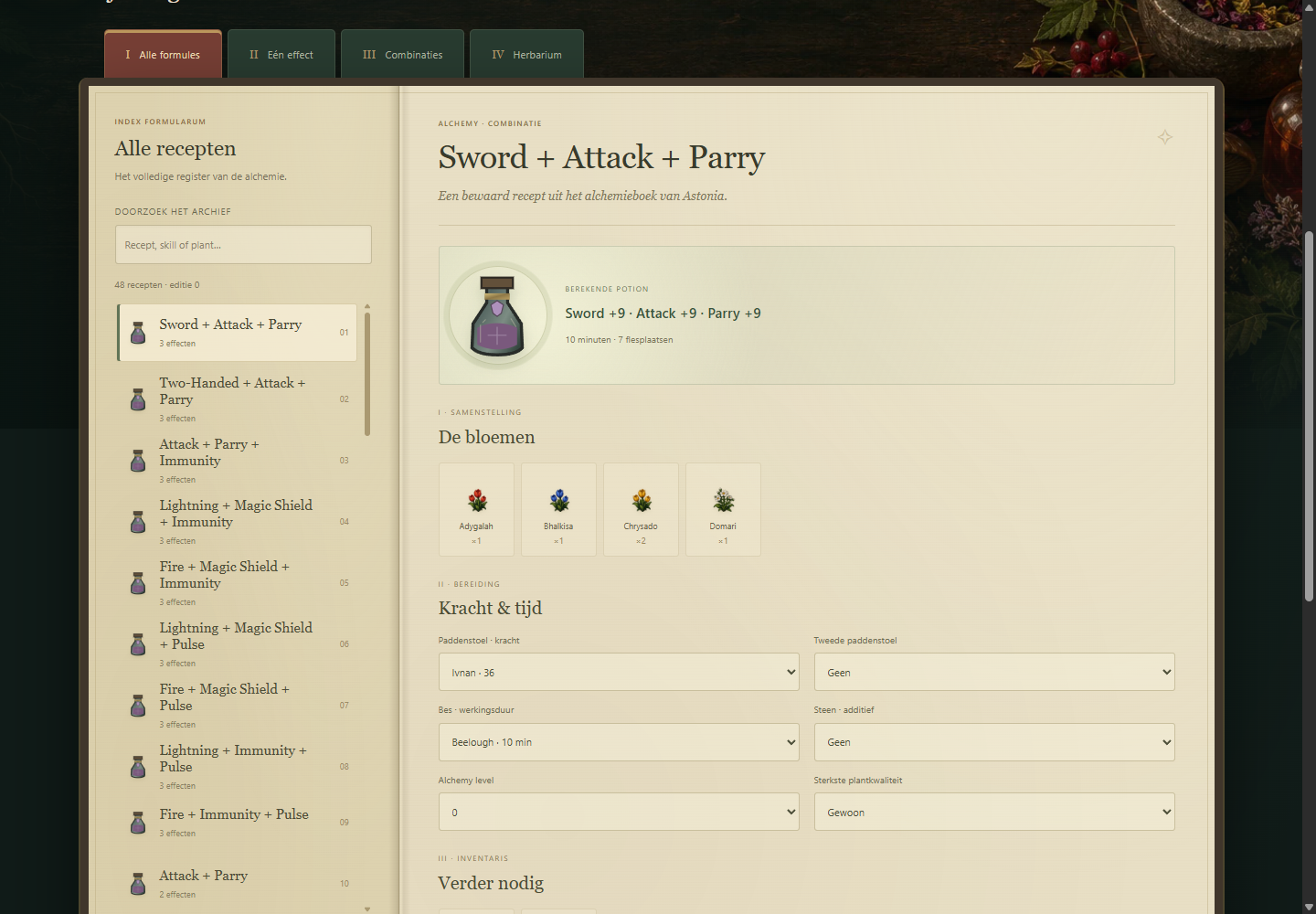
A game book you can use. Choose flowers, discover their combination and brew your own potion.
Your flower cabinet
10 flowers · five types
How would you like your drink?
Choose up to three flowers. Discover what they do together.
Your own elixir
Start with a flower. See the direction your mixture takes.
Choose your first flower from the cabinet.
Choose a flower to begin, or try the Heal recipe.
Interactive portfolio experiment · flower recipes from Astonia · free mixes for this book.
View the complete Alchemy design
Build the world
and keep refining it.
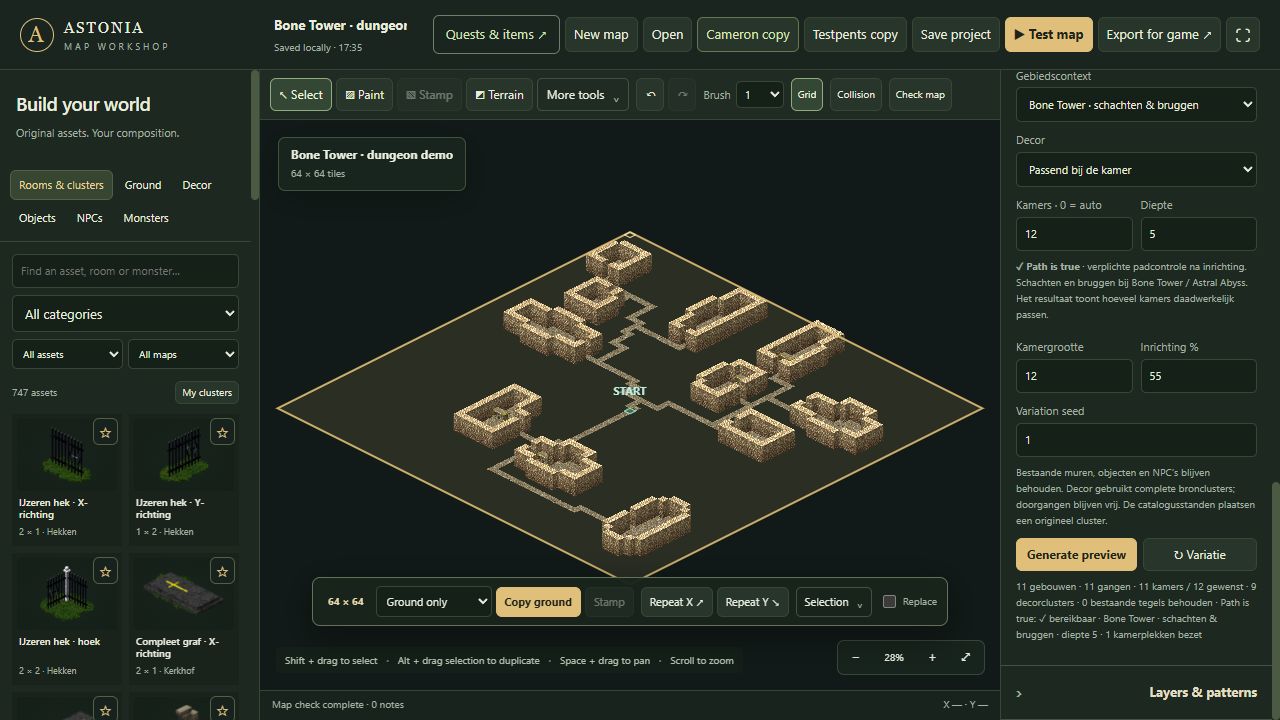
My Map Workshop brings tiles, rooms and objects together in my own editor. From an initial layout to a map ready to test.
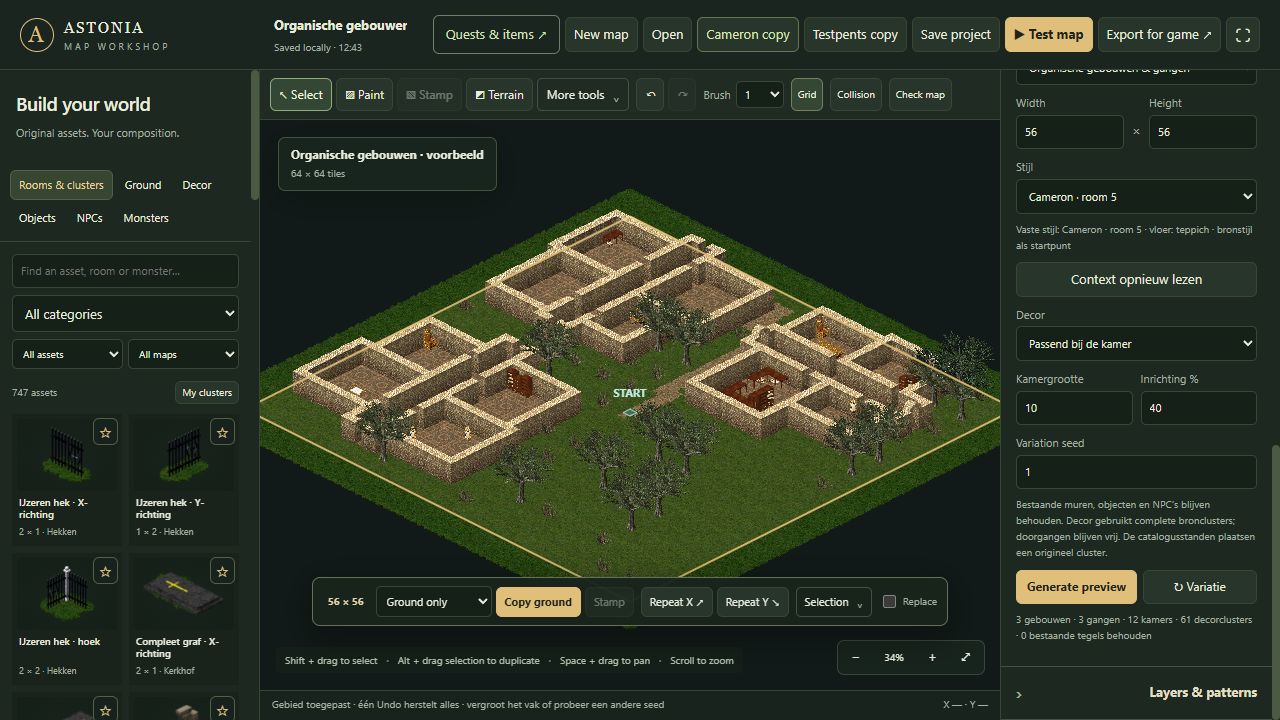
View the dungeon variation
Build
Assemble a world from tiles, rooms, objects and scenery.
Playtest
Check routes and collisions, then try the map locally.
Refine
Refine the layout and variation for the next version.
I also build the tools
behind the game.
A new character needs more than art. I connect the Astonia 3 game foundation with a browser client, editors and model studies so I can test the design in the world it belongs to.
JavaScript + Canvas 2D
Sprites, movement and combat come together in my browser client.
Three.js / Blender / GLB
I explore poses and animations in the atelier before they become game visuals.
Node.js + SQLite
The local server and storage provide the foundation for further game development.
About this project
My own expansion of Astonia
With Astonia, I explore the step from character design to a playable world. How does a boss develop its own character, and what does that ask of the combat? I am building on Astonia 3, taking an MMORPG direction where PvP, PvE and LARPG-like combat come together.
Art has to play too
A boss starts with character: Drauger’s military rank, N’Thoral’s dragon silhouette or Nocturnis’s purple energy. I then work on what the player experiences. How does an attack announce itself? Where does the javelin land? Does the movement stay readable among other sprites and effects? The model studies, character workshop and gameplay recording show different steps in that process.
The same attention goes into the surrounding world. I use the map editor to work on locations and the Alchemy book to develop a game feature in which ingredients and recipes have their own presentation. In this way, I explore game design, imagery and the tools I need for my own work together.
Where it could go
The chapters shape my story direction, from Cameron through the old gods and the five Lords to the Confluence. That storyline is still in development. I am currently working in the browser; Google Play and Steam are future directions I want to explore.
Game foundation: Astonia 3 by Daniel Brockhaus.